
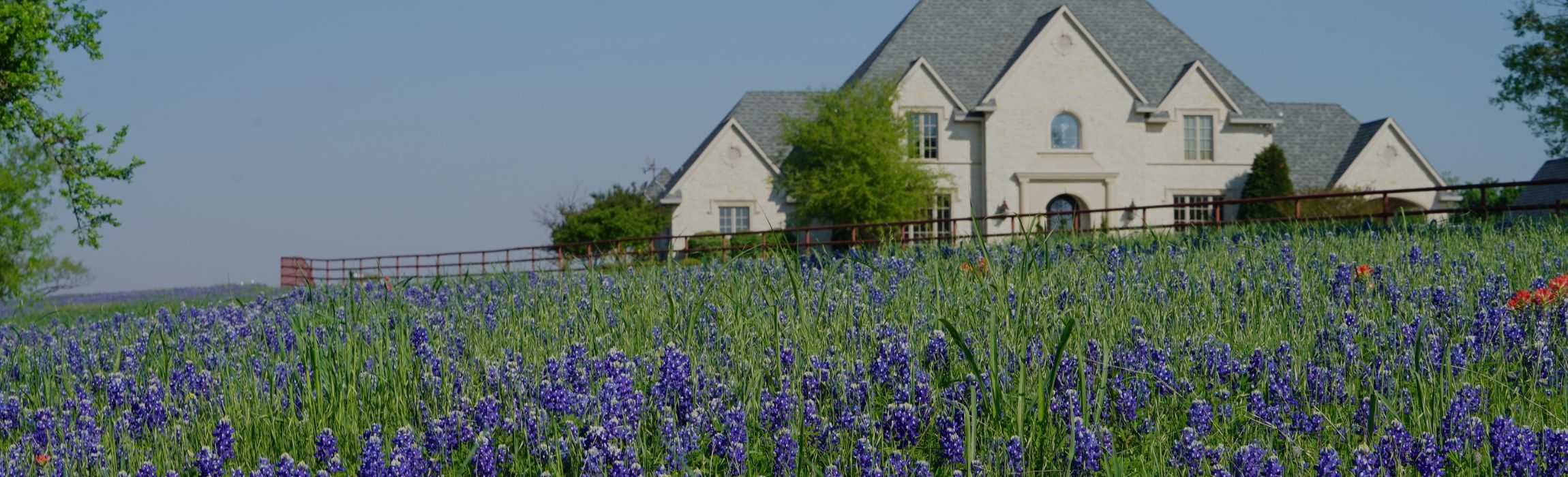

07 Sep How to Find the Right Custom Home Builder in the Texas Hill Country
If you’ve been searching for a custom home builder in the Texas Hill Country, you already know the options aren’t exactly limited. There are dozens of contractors and builders operating throughout the region, from one-person operations to larger production-style companies. The challenge isn’t finding a builder — it’s finding the right one for your land, your vision, and your budget. And in the Hill Country, where construction conditions, local geology, and county regulations vary significantly from town to town, who you hire matters more than almost any other decision you’ll make in the build process.
At CMW General Contractors, we’ve built custom homes throughout the Texas Hill Country for years. We’ve also talked to a lot of buyers who came to us after a difficult experience with a previous contractor. This guide covers what to look for, what to watch out for, and how to evaluate your options before you commit.
Why Finding the Right Builder Is Harder in the Hill Country
The Hill Country isn’t a uniform market. Building on a flat lot in a Boerne subdivision is a different project than building on five rocky acres in Blanco County or a sloped cedar-covered property outside Wimberley. The contractor who does great work in one context may be genuinely out of their depth in another.
Several factors make Hill Country custom home building distinctly more complex than other Texas markets:
- Geology: The Edwards Plateau limestone that underlies much of the Hill Country frequently sits inches below the surface. Foundation design, excavation, and site prep require local experience with this terrain — a contractor who primarily builds on Houston clay or flat Dallas-area lots may not have it.
- Utilities: Rural properties often require wells, aerobic septic systems, propane setup, and electric extension. Coordinating these across the right vendors, in the right sequence, requires local subcontractor relationships that take years to build.
- Permitting: Permit requirements vary county by county across the Hill Country. What’s required in Kendall County is different from Kerr County, which is different again from unincorporated Blanco County. A builder who doesn’t navigate these regularly will slow your project down or create compliance problems.
- Subcontractor availability: The Hill Country has a constrained labor pool relative to its construction volume. Builders with established local subcontractor relationships get better scheduling, better pricing, and better accountability than builders calling around for whoever’s available.
All of this is to say: the right Hill Country custom home builder isn’t necessarily the biggest name or the lowest bid. It’s the one with demonstrated experience building specifically in this region, on land like yours, through the regulatory environment your county requires.
What to Look for in a Hill Country Custom Home Builder
Local Project History
Ask to see completed projects in the specific area where you’re building — not just “the Hill Country” broadly. A builder with a portfolio of homes in Spring Branch and Bulverde has real-world knowledge of Comal County soil conditions, utility cooperatives, and subcontractors that a builder whose work is primarily in Wimberley or Kerrville may not have, and vice versa. Ask for addresses of completed homes, not just photos. You want to know where they’ve actually built.
General Contractor License and Insurance
Texas doesn’t require a statewide general contractor license the way some states do, but any legitimate contractor will carry general liability insurance and, if they have employees, workers’ compensation coverage. Ask for certificates of insurance directly — don’t accept verbal assurances. Verify the policy is current. A builder who can’t immediately produce this documentation is a red flag regardless of how good their portfolio looks.
Full-Service vs. Specialty Contractor
Custom home building involves a coordinated sequence of trades — site prep, foundation, framing, roofing, rough-in plumbing and electrical, HVAC, insulation, drywall, finish carpentry, flooring, fixtures, and more. A full-service Hill Country general contractor manages all of these under one contract, meaning one point of accountability, one schedule, and one person who owns the outcome. A specialty contractor who builds shells or handles structural work only leaves you responsible for coordinating and managing the rest. On a rural Hill Country property with multiple complex phases, that coordination burden is significant.
Transparency About Cost and Timeline
Be wary of any builder who gives you a project cost without visiting your site first. In the Hill Country, site-specific variables — terrain, rock, utility access, county requirements — can shift a project budget by $60,000 to $100,000 before structural construction begins. A builder who quotes from a floor plan without assessing the site is either inexperienced or setting you up for a conversation you don’t want to have mid-project.
Similarly, a realistic timeline conversation should happen before you sign anything. Custom home builds in the Hill Country typically run 12–18 months from initial planning to completion on raw land. Anyone promising significantly less without a compelling explanation of how they’ll compress that timeline deserves follow-up questions.
References From Completed Projects
Ask for three to five references from homeowners whose projects were completed in the last two to three years — not from the builder’s best-case scenarios, but from projects of similar scope and site complexity to yours. Ask those references specifically about communication during construction, how the builder handled unexpected issues, and whether the project finished on time and on budget. A builder’s response to problems tells you more than their response to smooth projects.
Questions to Ask Before You Hire
The following questions aren’t meant to trip a contractor up — they’re meant to give you a clear picture of who you’re dealing with. A good builder will answer them directly and completely. Our post on the best questions to ask a Hill Country contractor goes deeper on this, but here are the essentials:
- How many custom homes have you built in this specific county or area in the last three years?
- Will you pull all permits, or are some subcontractors expected to pull their own?
- How do you handle design changes during construction, and how are they priced?
- Who is my primary point of contact throughout the project?
- How do you handle site assessment before quoting — do you visit the property?
- Can I see your current certificate of general liability insurance?
- What does your contract say about project delays and cost overruns?
Red Flags to Watch For
Most bad builder experiences follow predictable patterns. Here’s what to watch for during the evaluation process:
- Quotes given without a site visit. Anyone bidding your project from photos or a floor plan alone is guessing. Hill Country terrain makes this particularly problematic.
- Vague contracts. A professional construction contract should specify scope, materials, timeline milestones, payment schedule, change order process, and warranty terms. Vague language in any of these areas protects the builder, not you.
- Pressure to sign quickly. Legitimate builders don’t manufacture urgency. If you’re being pushed to commit before you’ve done your due diligence, slow down.
- No fixed address or business presence. A contractor without a verifiable business address, local phone number, or established web presence is a higher-risk engagement.
- Unusually low bids. In the Hill Country construction market of 2026, a significantly below-market bid almost always signals one of three things: missing scope, underestimated site costs, or a plan to make it up in change orders. Get itemized bids so you can compare line by line, not just total to total.
For a more detailed framework on vetting any contractor before signing, see our complete guide to choosing the right Hill Country contractor.
Custom Home vs. Barndominium vs. Production Builder: Knowing Which Is Right
Part of finding the right builder is knowing what you’re actually building. Custom home builders, barndominium contractors, and production builders serve different needs and operate very differently.
A production builder builds from a set catalog of floor plans on lots they own or in communities they develop. Fast timelines, lower cost per square foot, limited customization. Not relevant if you own land and want a home designed for your specific site.
A custom home builder designs and builds a home specific to your lot, your program, and your preferences. Full flexibility on floor plan, materials, and finishes. The right choice for most Hill Country landowners who want a traditional stick-frame home tailored to the property. CMW’s custom home building services and Hill Country custom homes page outline what that process looks like with us.
A barndominium contractor builds steel-framed residential structures — a different product from a traditional custom home, with distinct advantages (open floor plans, steel durability, rural aesthetic) and distinct considerations (insulation requirements, financing complexity). If you’re weighing a barndominium against a traditional home, our stick-frame vs barndominium comparison is worth reading before you decide.
How Cost Varies by Location in the Hill Country
Custom home costs across the Hill Country aren’t uniform. A home in a platted subdivision with existing utilities, flat terrain, and municipal permit review differs meaningfully in cost from a home on raw rural acreage with rocky terrain, well and septic, and rural electric extension. Some rough benchmarks for 2026:
- Standard finish, accessible site: $150–$200 per square foot for the structure, plus site costs.
- Mid-range custom finish, typical Hill Country terrain: $200–$275 per square foot all-in.
- High-end custom finish, premium materials, complex site: $275–$400+ per square foot.
- Site-specific cost adders (well, septic, rock removal, electric extension, access road): $40,000–$100,000+ depending on the property.
For a detailed look at what custom homes actually cost in this market, our post on how much a Hill Country custom home costs breaks down the variables in full.
Where CMW Builds in the Texas Hill Country
CMW General Contractors builds custom homes throughout the region. Our primary service area spans the communities where Hill Country buyers are most active, and we have local knowledge of the terrain, permitting, and subcontractor landscape in each:
- Spring Branch and Spring Branch custom homes — our home base in Comal County
- Bulverde and Bulverde custom homes
- Boerne and Boerne custom homes
- Canyon Lake
- Marble Falls
- Wimberley and Wimberley custom homes
- Bandera and Bandera custom homes
- Blanco and Blanco custom homes
- Comfort
- Kerrville
- Fredericksburg
- Johnson City
If your property is in the Hill Country and you don’t see your town listed, reach out directly — chances are we’ve built near you.
What Separates CMW From Other Hill Country Builders
We’re a family-owned general contractor, not a production builder or a spec house company. Every home we build is designed around a specific owner’s land, program, and budget. We manage the full process — design coordination, permitting, site prep, and all trades — under one contract. You get one point of contact, one schedule, and a contractor who is directly accountable for every phase of the project.
We’ve been building in the Hill Country long enough to know what the ground is going to do, what the county is going to require, and which subcontractors show up when they say they will. That operational knowledge shows up in the accuracy of your initial budget and the smoothness of your build — not just in the finished photos.
For a look at what our past clients have experienced, our about page and project videos give a sense of the work and the team behind it. And if you want to understand what to expect before building a custom home specifically, our post on what to know before building a custom home in the Texas Hill Country is worth reading alongside this one.
Frequently Asked Questions
How do I find a reputable custom home builder in the Texas Hill Country?
Start with local project history — ask to see completed homes in the specific area you’re building, not just portfolio photos. Verify licensing and insurance, ask for references from recent projects of similar scope, and visit the property with any builder you’re seriously considering before accepting a bid. An on-site assessment before quoting is a baseline indicator of a serious, experienced contractor.
What’s the difference between a custom home builder and a general contractor in Texas?
In practice, they often refer to the same role. A general contractor manages all trades and phases of construction under one contract. A custom home builder does the same thing with an emphasis on one-off residential builds designed for a specific owner. CMW operates as both — we handle the full scope of a custom home build from site prep through final walkthrough under one GC contract.
How much does it cost to build a custom home in the Texas Hill Country in 2026?
Most mid-range custom homes in the Hill Country run $200–$275 per square foot all-in, including site-specific costs. High-end custom builds with premium materials and complex sites can run $275–$400+. Site preparation and utility work on rural land can add $40,000–$100,000 before structural construction begins. Every property is different, which is why a site visit before quoting is essential.
How long does it take to build a custom home in the Hill Country?
From initial planning through move-in, budget 12–18 months for a well-organized custom home build on raw Hill Country land. Projects with design complications, permit delays, or mid-construction changes can run longer. Our post on what to expect when building a Hill Country custom home walks through the full timeline in detail.
Do I need an architect before hiring a builder in Texas?
Not always. Many custom home builders — including CMW — offer design coordination services that work with a designer or draftsperson rather than requiring a licensed architect for a standard residential build. Projects with complex structural requirements or specific HOA design review processes may warrant a licensed architect. We’ll tell you honestly what your project needs during the initial consultation.
Can CMW build on my land if I already own property in the Hill Country?
Yes — building on privately owned land is one of the most common project types we handle. We’ll assess your site, help you understand what the build will realistically require, and manage the process from permitting through completion. Our post on building a house on your own land in Texas covers the full process for landowners starting from scratch.
Does CMW also build barndominiums in the Hill Country?
Yes. We build both traditional custom homes and barndominiums throughout the region. If you’re still deciding which is the right fit for your property, our posts on barndominium pros and cons and stick-frame homes vs barndominiums lay out the comparison honestly. We’re happy to talk through both options during a consultation — there’s no pressure toward either direction.
Ready to Start Planning Your Hill Country Custom Home?
The best first step is a conversation — ideally one that includes a site visit so we can give you an accurate picture of what your project will look like before you commit to anything. Contact CMW General Contractors today to schedule a consultation. We build across Spring Branch, Bulverde, Boerne, Canyon Lake, Marble Falls, Wimberley, Kerrville, and throughout the Texas Hill Country.
According to the National Association of Home Builders, the single most consistent predictor of a successful custom home project is the quality of the contractor selection process — buyers who vet thoroughly before signing have dramatically better outcomes than those who move quickly on price alone. Take your time, ask the right questions, and build with someone who knows this land.
For more on the Hill Country custom home landscape, see our posts on the advantages of building a custom home in the Texas Hill Country and the best Hill Country home builders in Texas.
{
“@context”: “https://schema.org”,
“@graph”: [
{
“@type”: “Article”,
“@id”: “https://cmwtexas.com/how-to-find-the-right-custom-home-builder-in-the-texas-hill-country/#article”,
“headline”: “How to Find the Right Custom Home Builder in the Texas Hill Country”,
“description”: “A practical guide to vetting and hiring a custom home builder in the Texas Hill Country — what to look for, what to avoid, and what questions to ask before you sign.”,
“image”: “https://cmwtexas.com/wp-content/uploads/2025/02/CMW-Featured.jpg”,
“author”: {
“@type”: “Organization”,
“name”: “CMW General Contractors”,
“url”: “https://cmwtexas.com”
},
“publisher”: {
“@type”: “Organization”,
“name”: “CMW General Contractors”,
“url”: “https://cmwtexas.com”,
“logo”: {
“@type”: “ImageObject”,
“url”: “https://cmwtexas.com/wp-content/uploads/2023/08/CMW-Logo.jpg”
}
},
“mainEntityOfPage”: {
“@type”: “WebPage”,
“@id”: “https://cmwtexas.com/how-to-find-the-right-custom-home-builder-in-the-texas-hill-country/”
},
“datePublished”: “2026-09-07”,
“dateModified”: “2026-09-07”,
“keywords”: [
“custom home builder Texas Hill Country”,
“Hill Country custom home builder”,
“custom home builders Spring Branch TX”,
“custom home builders Boerne TX”,
“custom home builders Wimberley TX”,
“Hill Country general contractor”,
“how to hire a home builder Texas”
],
“articleSection”: “Custom Home Building”,
“wordCount”: “1850”
},
{
“@type”: “FAQPage”,
“@id”: “https://cmwtexas.com/how-to-find-the-right-custom-home-builder-in-the-texas-hill-country/#faq”,
“mainEntity”: [
{
“@type”: “Question”,
“name”: “How do I find a reputable custom home builder in the Texas Hill Country?”,
“acceptedAnswer”: {
“@type”: “Answer”,
“text”: “Start with local project history — ask to see completed homes in the specific area you’re building, not just portfolio photos. Verify licensing and insurance, ask for references from recent projects of similar scope, and visit the property with any builder you’re seriously considering before accepting a bid. An on-site assessment before quoting is a baseline indicator of a serious, experienced contractor.”
}
},
{
“@type”: “Question”,
“name”: “What’s the difference between a custom home builder and a general contractor in Texas?”,
“acceptedAnswer”: {
“@type”: “Answer”,
“text”: “In practice, they often refer to the same role. A general contractor manages all trades and phases of construction under one contract. A custom home builder does the same thing with an emphasis on one-off residential builds designed for a specific owner. CMW operates as both — handling the full scope of a custom home build from site prep through final walkthrough under one GC contract.”
}
},
{
“@type”: “Question”,
“name”: “How much does it cost to build a custom home in the Texas Hill Country in 2026?”,
“acceptedAnswer”: {
“@type”: “Answer”,
“text”: “Most mid-range custom homes in the Hill Country run $200–$275 per square foot all-in, including site-specific costs. High-end custom builds with premium materials and complex sites can run $275–$400 or more per square foot. Site preparation and utility work on rural land can add $40,000–$100,000 before structural construction begins. Every property is different, which is why a site visit before quoting is essential.”
}
},
{
“@type”: “Question”,
“name”: “How long does it take to build a custom home in the Hill Country?”,
“acceptedAnswer”: {
“@type”: “Answer”,
“text”: “From initial planning through move-in, budget 12–18 months for a well-organized custom home build on raw Hill Country land. Projects with design complications, permit delays, or mid-construction changes can run longer.”
}
},
{
“@type”: “Question”,
“name”: “Do I need an architect before hiring a builder in Texas?”,
“acceptedAnswer”: {
“@type”: “Answer”,
“text”: “Not always. Many custom home builders offer design coordination services that work with a designer or draftsperson rather than requiring a licensed architect for a standard residential build. Projects with complex structural requirements or specific HOA design review processes may warrant a licensed architect.”
}
},
{
“@type”: “Question”,
“name”: “Can CMW build on my land if I already own property in the Hill Country?”,
“acceptedAnswer”: {
“@type”: “Answer”,
“text”: “Yes — building on privately owned land is one of the most common project types CMW handles. They assess the site, help you understand what the build will realistically require, and manage the process from permitting through completion.”
}
},
{
“@type”: “Question”,
“name”: “Does CMW also build barndominiums in the Hill Country?”,
“acceptedAnswer”: {
“@type”: “Answer”,
“text”: “Yes. CMW General Contractors builds both traditional custom homes and barndominiums throughout the Texas Hill Country. They can walk through both options during a consultation to help determine which is the right fit for your property and budget.”
}
}
]
},
{
“@type”: “LocalBusiness”,
“@id”: “https://cmwtexas.com/#business”,
“name”: “CMW General Contractors”,
“url”: “https://cmwtexas.com”,
“logo”: “https://cmwtexas.com/wp-content/uploads/2023/08/CMW-Logo.jpg”,
“image”: “https://cmwtexas.com/wp-content/uploads/2025/02/CMW-Featured.jpg”,
“description”: “CMW General Contractors is a family-owned general contractor serving the Texas Hill Country, specializing in custom homes, barndominiums, remodeling, masonry, metal buildings, and outdoor living spaces.”,
“telephone”: “”,
“address”: {
“@type”: “PostalAddress”,
“addressLocality”: “Spring Branch”,
“addressRegion”: “TX”,
“addressCountry”: “US”
},
“areaServed”: [
{
“@type”: “City”,
“name”: “Spring Branch”,
“containedInPlace”: {
“@type”: “State”,
“name”: “Texas”
}
},
{
“@type”: “City”,
“name”: “Bulverde”,
“containedInPlace”: {
“@type”: “State”,
“name”: “Texas”
}
},
{
“@type”: “City”,
“name”: “Boerne”,
“containedInPlace”: {
“@type”: “State”,
“name”: “Texas”
}
},
{
“@type”: “City”,
“name”: “Canyon Lake”,
“containedInPlace”: {
“@type”: “State”,
“name”: “Texas”
}
},
{
“@type”: “City”,
“name”: “Marble Falls”,
“containedInPlace”: {
“@type”: “State”,
“name”: “Texas”
}
},
{
“@type”: “City”,
“name”: “Wimberley”,
“containedInPlace”: {
“@type”: “State”,
“name”: “Texas”
}
},
{
“@type”: “City”,
“name”: “Kerrville”,
“containedInPlace”: {
“@type”: “State”,
“name”: “Texas”
}
},
{
“@type”: “City”,
“name”: “Bandera”,
“containedInPlace”: {
“@type”: “State”,
“name”: “Texas”
}
},
{
“@type”: “City”,
“name”: “Blanco”,
“containedInPlace”: {
“@type”: “State”,
“name”: “Texas”
}
},
{
“@type”: “City”,
“name”: “Fredericksburg”,
“containedInPlace”: {
“@type”: “State”,
“name”: “Texas”
}
}
],
“knowsAbout”: [
“Custom Home Building”,
“Barndominium Construction”,
“Home Remodeling”,
“Masonry and Concrete”,
“Metal Buildings”,
“Outdoor Kitchens”,
“ADU Construction”,
“General Contracting”
],
“sameAs”: [
“https://cmwtexas.com”
]
},
{
“@type”: “BreadcrumbList”,
“@id”: “https://cmwtexas.com/how-to-find-the-right-custom-home-builder-in-the-texas-hill-country/#breadcrumb”,
“itemListElement”: [
{
“@type”: “ListItem”,
“position”: 1,
“name”: “Home”,
“item”: “https://cmwtexas.com/”
},
{
“@type”: “ListItem”,
“position”: 2,
“name”: “Blog”,
“item”: “https://cmwtexas.com/blog/”
},
{
“@type”: “ListItem”,
“position”: 3,
“name”: “How to Find the Right Custom Home Builder in the Texas Hill Country”,
“item”: “https://cmwtexas.com/how-to-find-the-right-custom-home-builder-in-the-texas-hill-country/”
}
]
}
]
}