
28 May Building a House on Your Own Land in Texas
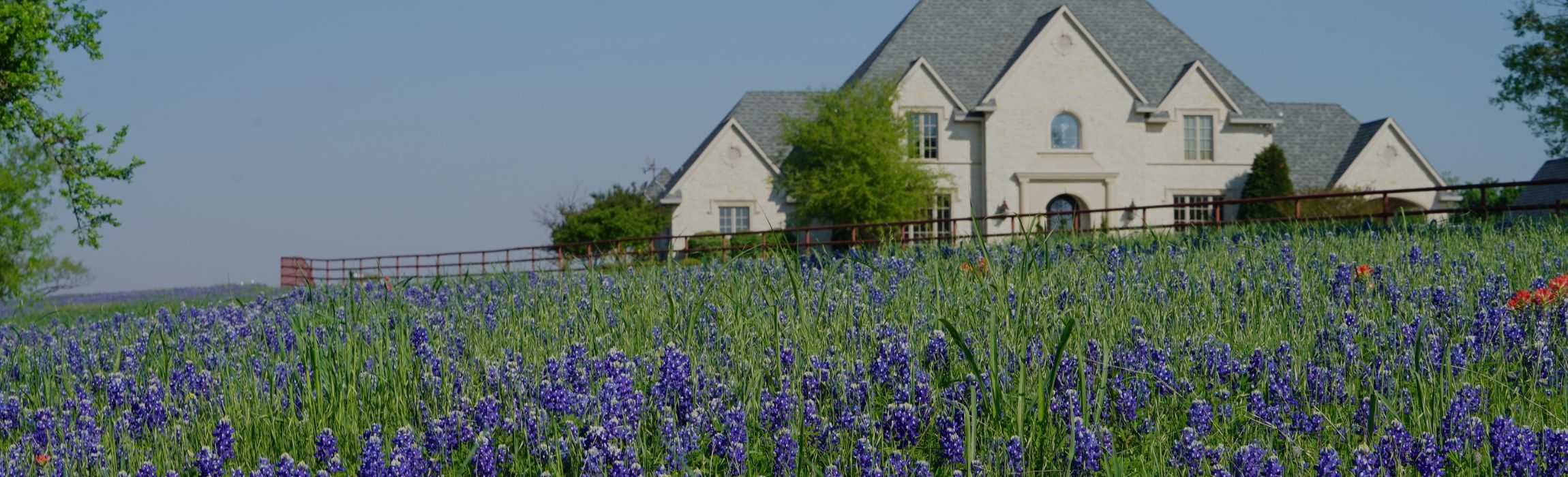
You own the land. Now what? Building a house on your own land in Texas is one of the most rewarding things a property owner can do — but it’s also more involved than most people expect when they first start planning. From site prep and utilities to permits, financing, and finding the right contractor, there are a lot of moving pieces between “I own acreage” and “I’m living in my new home.” This guide covers everything you need to know before you break ground, with specific focus on the realities of building in the Texas Hill Country.
CMW General Contractors builds custom homes, barndominiums, and metal buildings on privately owned land throughout the Hill Country. We’ve helped dozens of landowners navigate this exact process. Here’s what we’ve learned.
Step One: Understand What You Actually Own
Before anything else, you need a clear picture of what your land can support and what restrictions, if any, apply to it. Several things to investigate before you start designing a home:
- Zoning and deed restrictions: Most rural Texas counties have minimal zoning, but deed restrictions from a subdivision or previous owner can limit what you build. Pull the deed and any HOA documents before assuming you can build whatever you want.
- Floodplain status: In the Hill Country, floodplains are a real consideration. Check your property’s FEMA flood zone designation. Building in or near a floodplain affects your foundation design, insurance requirements, and sometimes your ability to finance.
- Easements and setbacks: Utility easements, road easements, and setback requirements from property lines all affect where a structure can sit on your land. Your county appraisal district and a surveyor can help you map these out.
- Soil and terrain: Hill Country terrain is beautiful and famously challenging. Rocky limestone, caliche, expansive clays, and significant grade changes affect foundation design, septic feasibility, and construction cost. A soil report and site assessment early in the process prevents expensive surprises later.
Do You Need a Permit to Build on Your Own Land in Texas?
This is one of the most common questions we hear — and the answer depends entirely on where your land is located.
Texas has no statewide residential building code, which means permitting requirements vary by county and municipality. Many rural Texas counties outside city limits have no permitting requirements for residential construction. However, cities and ETJs (extraterritorial jurisdictions) that extend several miles beyond city limits often do require permits. And regardless of county permitting requirements, any structure that will be financed through a mortgage lender must meet residential building code to qualify for a loan.
In the Hill Country specifically:
- Kendall County (Boerne area): Has adopted building codes for most areas; permits required in and around Boerne’s ETJ.
- Comal County (Spring Branch, Canyon Lake): Permit requirements vary by location — inside ETJs requires permits, rural unincorporated areas are more variable.
- Kerr County (Kerrville area): Has adopted a building code; permits required.
- Blanco County: Has historically had lighter permit requirements in unincorporated areas, though this evolves.
CMW handles permitting research and applications as part of our project process. We know what’s required in each county we work in and make sure every build is set up correctly from the start — both for your protection and to ensure the structure can be financed and insured as intended.
Getting Utilities to Your Land
One of the most frequently underestimated costs in building on raw land is getting utilities to the site. If you’re building in a subdivision with existing infrastructure nearby, this may be straightforward. If you’re building on true rural acreage, each utility is its own project and cost:
Electricity
Rural electric cooperatives serve most of the Texas Hill Country — Pedernales Electric, Bandera Electric, and Guadalupe Valley Electric among them. Extending power from the nearest line to your building site can range from a few thousand dollars to $10,000 or more per mile depending on terrain and distance. Request a quote from your co-op early — lead times on new service extensions can be significant.
Water
You’ll either connect to a rural water supply corporation (many Hill Country communities have them) or drill a well. Well drilling in the Hill Country typically runs $15,000–$35,000 depending on depth, which is highly variable in this region’s limestone geology. The USGS Texas Water Science Center provides detailed data on aquifer depths and water availability across the region — useful background before you commit to a site.
Septic
Unless you’re connecting to a municipal sewer system (rare on rural Hill Country land), you’ll need an on-site sewage facility (OSSF) — commonly called a septic system. Texas requires a licensed engineer’s design for most OSSF installations, and the county environmental health department must approve and inspect the system. Plan for $8,000–$20,000 depending on soil conditions and system type. Rocky Hill Country soil often requires alternative systems like aerobic septic, which run at the higher end of that range.
Propane or Natural Gas
Natural gas lines don’t extend into most rural Hill Country areas. Propane is the standard fuel source for heating, cooking, and water heating on most rural properties. Budget for a propane tank installation and factor in ongoing fuel costs.
Site Preparation: What It Actually Takes
Raw land requires significant preparation before construction can begin. This is another area where Hill Country terrain adds cost and complexity that flat suburban lots don’t have.
Typical site prep on Hill Country acreage includes:
- Land clearing: Removing cedar, brush, and existing vegetation from the building footprint and access areas.
- Grading: Establishing the building pad at the right elevation with proper drainage away from the structure.
- Rock removal or blasting: Limestone bedrock close to the surface is common in the Hill Country. Depending on foundation design and depth, this may require mechanical rock breaking or blasting — a significant cost variable.
- Access road construction: If your site doesn’t have an improved road to the building location, one needs to be built. This includes culvert installation where the driveway crosses a drainage area.
- Foundation design: Hill Country geology typically requires a pier-and-beam or engineered slab foundation designed specifically for the soil conditions at your site.
Our masonry and concrete services cover everything from foundation work to retaining walls and site drainage — all of which are often needed on sloped Hill Country land before a home can be built.
Choosing Between a Custom Home, Barndominium, or Metal Building
Once you understand your site, one of the first real decisions is what you’re building. For landowners in the Texas Hill Country, the most common options are:
- Traditional stick-frame custom home: The most conventional option, widest resale market, most design flexibility.
- Barndominium: Steel-framed home with open floor plan potential, strong durability, and a look that fits rural land naturally. Increasingly financeable and popular in this market. See our barndominium page for details.
- Metal building or barn: For storage, equipment, livestock, or workshops — not a residential structure, but often built on the same property as a home. See our metal buildings and barns page.
- Casita or guest house: A smaller secondary structure on the property — for guests, rental income, or future family use. See our post on why a Hill Country casita is worth considering.
Many landowners build a combination — a primary home plus a metal shop, or a barndominium plus a casita. Having a single general contractor managing multiple structures keeps the project on a unified schedule and avoids the coordination problems of managing separate contractors for each building.
Financing a Custom Home Build on Your Own Land
Financing a build on raw land is more complex than buying an existing home. The most common structure is a construction-to-permanent loan — a single loan that funds the build in draws as construction progresses, then converts to a traditional mortgage at completion. Some buyers use a separate land loan for the purchase and a construction loan for the build.
Key things lenders will need to approve a construction loan on rural land:
- Clear title to the land (or land purchase as part of the transaction)
- A licensed general contractor with a signed contract and detailed scope
- Construction plans and specifications
- An appraisal of the completed home value based on the plans
- Evidence that the structure will meet residential building code
USDA construction loans are often the best option for rural Hill Country land — they’re designed for this scenario, offer competitive rates, and don’t require a large down payment for qualifying buyers. According to the National Association of Realtors, rural and semi-rural land purchases have grown consistently over the last several years as buyers seek more space — and lenders have gotten more experienced with rural construction financing as a result.
How Long Does It Take to Build on Raw Land in Texas?
The honest answer is: longer than most people expect. Here’s a realistic timeline for a ground-up build on raw Hill Country land:
- Site assessment, design, and planning: 2–4 months
- Permitting (where required): 4–12 weeks depending on the county
- Utility extensions: Can run concurrently, but 2–6 months depending on provider timelines
- Site prep and foundation: 4–8 weeks depending on terrain
- Construction: 6–12 months for a custom home or barndominium depending on size and complexity
Total timeline from “I own the land” to “I’m living here” is typically 12–18 months for a well-organized project. Projects that encounter permitting delays, utility extension issues, or design changes mid-stream can run longer. Planning thoroughly upfront — and working with a general contractor who has done this many times in this specific region — is the most reliable way to compress that timeline.
Why Local Experience Matters
Building on land in the Texas Hill Country is genuinely different from building anywhere else in Texas. The geology, the terrain, the utility infrastructure, the county-by-county permitting landscape, the local subcontractor network — all of it is specific to this region. A contractor who builds in DFW or Houston doesn’t automatically understand what it takes to build correctly on a sloped limestone lot in Comal County.
CMW has built homes, barndominiums, and structures on raw Hill Country land across Spring Branch, Bulverde, Boerne, Canyon Lake, Marble Falls, Kerrville, and the surrounding communities for years. We know what the ground is going to do, what the county is going to ask for, and what the site is going to require. That local knowledge is a real variable in how smoothly your project goes. For guidance on evaluating any contractor before you hire, see our complete guide to choosing the right Hill Country contractor.
Frequently Asked Questions
Can I build any type of home on agricultural land in Texas?
In most unincorporated rural Texas counties, yes — residential homes can be built on agriculturally designated land. However, deed restrictions, floodplain designations, and utility access all affect what’s practical. Always verify before purchasing land specifically for a home build.
Do I need a survey before building on my land?
Yes. A current survey is essential for locating property lines, easements, and any encroachments. Most lenders require a survey as part of the construction loan process, and you’ll need it for permitting in most counties.
What’s the biggest unexpected cost when building on raw land in Texas?
Utilities and site prep are the two most common surprises. Well drilling, septic installation, and power extension can collectively add $40,000–$80,000 or more to a project on raw rural land — costs that buyers who haven’t built on raw land before sometimes don’t fully account for in their initial budget.
Does CMW help with the full process from raw land to completed home?
Yes. We manage the entire process — site assessment, design coordination, permitting, utility coordination, site prep, and construction. You don’t need to hire separate contractors for each phase. Contact our team to discuss your land and what the build process looks like for your specific site.
Where in the Hill Country does CMW build?
We build throughout the region, including Spring Branch, Boerne, Canyon Lake, Marble Falls, Kerrville, and the surrounding communities. If your land is in the Hill Country, we’ve likely built near you.
Ready to Start Planning Your Build?
Reach out to CMW today to start the conversation. Whether you have a finished set of plans or you’re just beginning to think through what’s possible on your land, we’re happy to walk through the site, talk through the process, and help you understand what your project will realistically look like.