
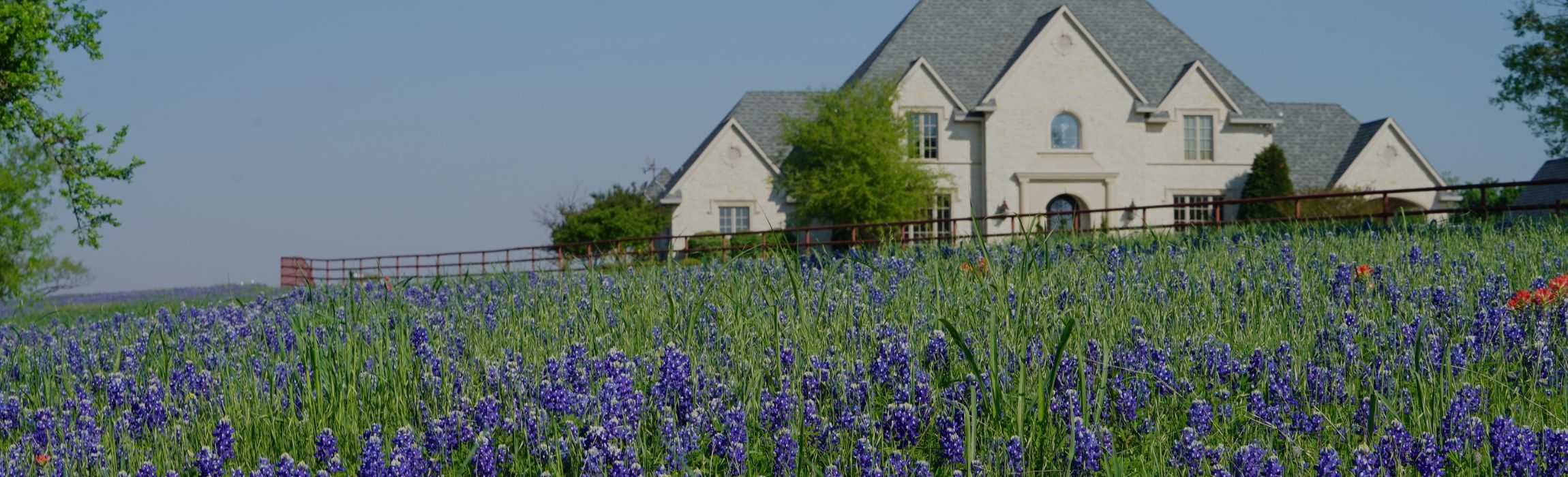

30 Jun What to Know Before Building on Rural Land in Texas
The dream of building a home on a quiet piece of land in the Texas Hill Country is something many families share. Rolling hills, sweeping views, and a sense of peace are all part of the appeal. But while the end result can be a dream come true, building on rural land comes with unique challenges and considerations. At CMW General Contractors, we’ve helped clients all over the region turn raw land into custom homes—and we’ve learned what it takes to do it right.
If you’re considering building on rural land in Texas, here are the key things to know.
1. Zoning and Permits Vary Greatly
Even in rural areas, building isn’t a free-for-all. Depending on your county and exact location, you may still be subject to zoning laws, building codes, or neighborhood restrictions. Before breaking ground, research the local jurisdiction’s requirements or work with a contractor like CMW who’s familiar with rural Hill Country regulations.
2. Utilities Might Not Be Readily Available
Many rural properties don’t have access to city utilities. That means you may need to:
- Drill a well for water
- Install a septic system for wastewater
- Run electrical service from the nearest pole (or go solar)
- Evaluate internet options, which may be limited
These systems can significantly affect your budget and timeline. It’s important to assess the infrastructure early in the process.
3. Topography Impacts Your Build
Hill Country land is beautiful, but it can also be rugged. Steep slopes, rocky soil, and uneven terrain often require:
- Site grading or excavation
- Retaining walls
- Custom foundation solutions
A builder experienced in Hill Country terrain—like the team at CMW General Contractors—can help you design a home that works with the land rather than against it.
4. Road Access and Driveways Matter
Just because a property is legally accessible doesn’t mean it’s easily accessible. Some lots require long, private roads or reinforced driveways for construction vehicles. You may also need:
- Gravel or asphalt surfacing
- Drainage planning
- Proper signage or gates
These logistical details often get overlooked until they delay a project.
5. Insurance and Fire Safety Considerations
Rural builds can face higher insurance premiums due to wildfire risk, distance from emergency services, or lack of fire hydrants. You may need to consider:
- Installing a water storage tank or fire suppression system
- Clearing brush and trees around your home
- Choosing fire-resistant materials
Being proactive can help you qualify for better rates and provide peace of mind.
6. You’ll Likely Need a Septic System
In most of the Hill Country, municipal sewer service isn’t available. That means you’ll need to plan for a septic tank and drain field—both of which must be permitted and professionally installed. Your lot’s soil composition and size will impact what kind of system is allowed.
Let CMW Help You Build with Confidence
Whether you’re dreaming of a secluded cabin, a family homestead, or a full-scale custom estate, the key to success is proper planning and a team that knows the terrain. At CMW General Contractors, we specialize in building on rural land in the Texas Hill Country. From land prep to utilities to final finishes, we’re here to guide you through every step.
Reach out to CMW General Contractors today to schedule a consultation and learn more about how we can help you bring your vision to life.