
28 May ADU Builders in the Texas Hill Country
Whether you call it a casita, a guest house, a mother-in-law suite, or an accessory dwelling unit, the concept is the same: a smaller, self-contained living space on your property separate from your main home. And right now, ADU builders in the Texas Hill Country are busier than ever — because Hill Country homeowners are waking up to just how much value a well-built secondary structure can add to a property. This guide covers everything you need to know about ADUs in the Hill Country, from design options and costs to permitting and how to choose the right builder.
CMW General Contractors builds ADUs, casitas, and guest houses throughout the Texas Hill Country. Here’s what we’ve seen work — and what you need to understand before you build.
What Is an ADU and Why Are They Growing in Popularity?
An accessory dwelling unit (ADU) is a secondary residential structure on a property that already has a primary home. In the Texas Hill Country, they go by many names — casitas, guest cottages, in-law suites, backyard homes — but they all share the same basic profile: a complete, self-contained living space with its own entry, kitchen or kitchenette, bathroom, and sleeping area.
ADU construction has been growing nationally for several years, driven by a combination of housing cost pressures, multigenerational living trends, and the desire for rental income. In the Hill Country specifically, the drivers are somewhat different. Here, the typical ADU buyer isn’t a dense-urban homeowner trying to create a rental unit — they’re a landowner with acreage who wants a comfortable guest space, a place for aging parents to live independently while staying close, or an Airbnb-style short-term rental that takes advantage of the Hill Country’s booming tourism market.
According to the National Association of Home Builders, ADU construction has been one of the fastest-growing segments of residential construction nationally, and rural and semi-rural markets are a significant part of that trend.
ADU Options for Hill Country Properties
Not all ADUs are the same, and the right option depends on your lot, your goals, and your budget. Here are the most common configurations we build in the Hill Country:
Detached Casita or Guest Cottage
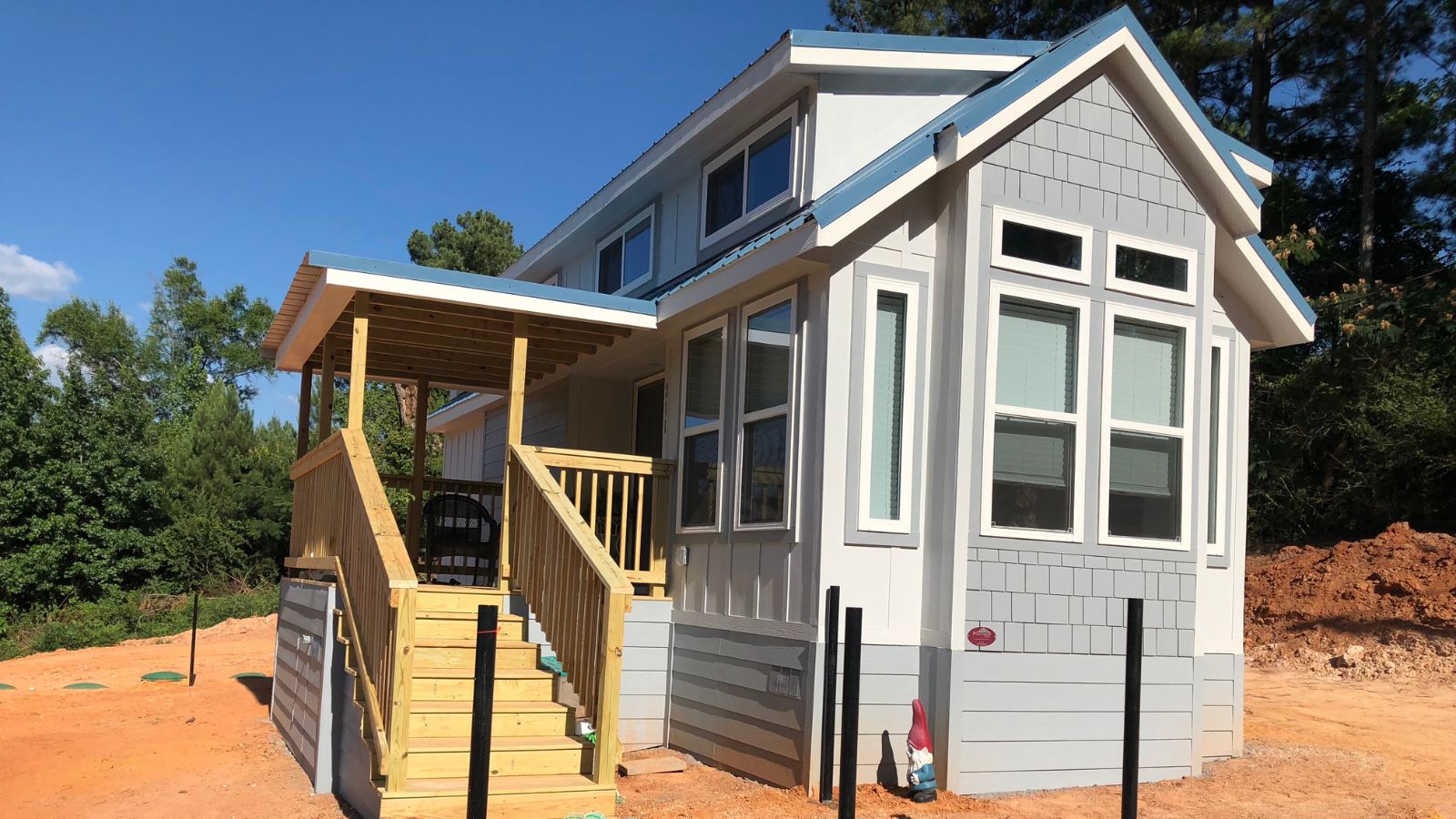
A standalone structure separate from the main home, typically 400–900 square feet. This is the most popular ADU type in the Hill Country because the lot sizes here — usually an acre or more — make it practical. A detached casita offers complete privacy for guests or tenants, doesn’t require interior access to the main home, and can be designed in its own architectural style.
Attached Guest Suite
An addition to the main home with its own entry, bathroom, and living space but connected through an interior door. This works well for multigenerational families who want proximity without full separation. It’s generally less expensive to build than a detached structure because it shares an existing wall and can tie into the home’s existing mechanical systems more easily.
Garage Conversion or Addition
Converting an existing garage or adding a living space above or beside a garage. Less common in the Hill Country than in urban areas, but can be a cost-effective option if the existing structure is in good shape.
Barndominium-Style ADU
A smaller version of a full barndominium — steel-framed, metal exterior, but finished as a comfortable living space. Fits the Hill Country aesthetic naturally and can double as a workshop or storage area if the owner’s needs change. This is increasingly popular on properties where the main home is also a barndominium or where the owner wants a durable, low-maintenance secondary structure.
For a deeper look at why a casita might be the right addition to your property, see our posts on why Hill Country homeowners are building casitas and the top benefits of adding a casita to your Hill Country property.
How Much Does an ADU Cost to Build in the Texas Hill Country?
ADU costs in the Hill Country vary considerably based on size, finish level, site conditions, and whether the structure is attached or detached. Here’s a realistic range:
- Basic detached casita (400–600 sq ft, standard finishes): $80,000–$130,000
- Mid-range detached guest cottage (600–900 sq ft): $130,000–$200,000
- High-finish detached casita or short-term rental unit: $200,000–$300,000+
- Attached guest suite addition: $60,000–$120,000 depending on scope
Hill Country site conditions — sloped terrain, rocky soil, distance from the main home’s utilities — add cost compared to a flat urban lot. If the ADU requires extending water, electrical, or sewer/septic from the main home or installing new systems entirely, budget an additional $15,000–$40,000 for that work depending on the site.
On the cost side, these numbers need to be weighed against the return. A well-finished casita in the Hill Country that’s used for short-term rentals can generate $1,500–$4,000 per month in rental income depending on location, amenities, and platform — a return profile that makes the investment case compelling for many landowners.
ADU Permitting in the Texas Hill Country
Permitting an ADU in the Hill Country follows the same county-by-county framework as any residential construction in the region. In most unincorporated rural areas, permitting requirements are minimal or nonexistent — but that doesn’t mean you should skip the process. A properly permitted ADU:
- Can be legally rented (short- or long-term) without exposing you to liability
- Adds documented value to the property at appraisal and resale
- Can be insured as a residential structure rather than a shed or outbuilding
- Qualifies for financing as part of the property’s overall value
Inside city limits or ETJs (Boerne, New Braunfels, Wimberley, etc.), ADU permitting follows local ordinances that specify setbacks, size limits, and design standards. CMW handles all permitting research and applications as part of the project, so you’re not navigating the county or city process on your own.
If you’re planning to use your ADU as a short-term rental, also check with your county regarding any STR registration requirements. Several Hill Country counties have implemented short-term rental registration in recent years, and the rules continue to evolve.
ADUs as Short-Term Rentals in the Hill Country
The Hill Country tourism market is one of the strongest in Texas. Fredericksburg, Wimberley, Boerne, and the surrounding communities draw significant visitor traffic year-round — and the demand for well-designed, private short-term rental accommodations consistently exceeds supply in most of these markets.
A well-designed casita or guest cottage on Hill Country acreage can be a strong short-term rental asset. The features that matter most to STR guests in this market:
- Privacy and views: The Hill Country landscape is the attraction. A casita that feels private and faces open land or a cedar grove outperforms one that looks at the main house or a fence.
- Outdoor space: A small covered porch, fire pit area, or deck dramatically increases rental appeal and justifiable nightly rate.
- Quality finishes: STR guests in the Hill Country market are accustomed to boutique hotel quality. Cheap finishes in a casita hurt your reviews and your rates.
- Reliable HVAC and hot water: Texas summers are brutal. A guest who’s hot or without hot water is leaving a bad review. These systems are worth investing in. For HVAC specifically in a small secondary structure, it’s worth consulting with a qualified HVAC contractor — Gabe’s Priority AC is a trusted local option for cooling and heating solutions in the San Antonio and Hill Country region.
ADUs for Multigenerational Living
The other major driver of ADU construction in the Hill Country is multigenerational living — specifically, adult children building a casita for aging parents, or parents building a guest house so adult children can live on the same property without sharing a home.
This is a deeply practical solution that the Hill Country’s lot sizes make possible in ways that urban and suburban properties often don’t. A well-designed attached or detached ADU allows for independence and privacy while maintaining proximity — the best of both worlds for families managing the emotional and logistical realities of aging.
From a financial planning perspective, having a parent live in an on-site casita rather than an assisted living facility or distant rental represents significant cost savings. If that casita is also designed to be rentable after the parent no longer needs it, it becomes a long-term asset rather than a one-purpose structure.
The National Association of Realtors has documented a consistent rise in multigenerational home purchases and construction over the last decade, and the trend shows no signs of reversing as baby boomers age and housing costs remain elevated.
What to Look for in an ADU Builder in the Hill Country
Not every contractor who builds homes also builds ADUs well. The design and construction of a small, self-contained living space has its own set of considerations — efficient layout, quality systems in a compact footprint, and finishes that feel complete rather than compressed. Here’s what to look for:
- Experience with smaller-scale residential construction: ADUs require the same systems as a full home (HVAC, plumbing, electrical, insulation) packed into a smaller space. Experience matters.
- Familiarity with local permitting: A contractor who doesn’t know your county’s requirements will slow the project down or create compliance issues that cost you later.
- Full-service general contracting: You want one contractor managing all trades, not four separate subcontractors you’re coordinating yourself.
- Design coordination: The best ADUs are designed to complement the main home architecturally and fit the site well. A GC who can help with design coordination — or work with your architect or designer — saves significant time.
For a full framework on vetting any Hill Country contractor, see our guide to questions to ask before hiring.
Frequently Asked Questions
Is an ADU the same as a casita?
Yes, functionally. “ADU” (accessory dwelling unit) is the planning and construction industry term for any secondary residential unit on a property. “Casita” is the common colloquial term in Texas and the Hill Country for the same thing. Both describe a self-contained living space separate from the primary home.
Can I rent out my ADU in the Texas Hill Country?
In most unincorporated Hill Country areas, yes — though some counties have implemented short-term rental registration requirements. If you’re inside a city’s ETJ or a planned community with an HOA, check the applicable rules before building with rental intent. CMW can help you understand what applies to your specific property.
How long does it take to build a casita in the Hill Country?
A well-organized detached casita project typically runs 4–6 months from permit approval to completion, depending on size and site complexity. Larger or more complex structures may take longer. The design and permitting phase runs 4–8 weeks before construction begins.
Will adding a casita increase my property value?
Yes, in most cases. A permitted, properly built casita adds appraised value to the property as an additional residential unit. In markets where short-term rentals are viable, the income potential further supports the value at resale for buyers who can see a revenue stream alongside the lifestyle benefit.
Can CMW build both the main home and a casita on the same property?
Yes — and it’s one of the most efficient ways to do it. Managing both structures under one GC contract means coordinated scheduling, unified permitting, and a single point of contact for the entire project. We build primary homes and ADUs together throughout the Hill Country, including in Spring Branch, Boerne, Wimberley, and the surrounding communities.
What’s the minimum lot size for building an ADU in the Hill Country?
This varies by county and whether you’re inside a city’s ETJ. On rural acreage in unincorporated areas, minimum lot size typically isn’t the limiting factor — septic system requirements and setbacks are more commonly the constraints. In incorporated areas, local ordinances set minimum lot sizes for ADU construction.
Build Your Hill Country ADU With CMW
Whether you’re building a casita for family, a guest cottage for short-term rental income, or an independent living space for aging parents, CMW General Contractors has the experience to build it right — on budget, on schedule, and built to last in the Hill Country climate. Contact our team today to talk through your property and your vision.
We build across Spring Branch, Bulverde, Boerne, Canyon Lake, Kerrville, Marble Falls, Wimberley, and the entire Texas Hill Country. If you own land here, we’d love to help you build something great on it.